

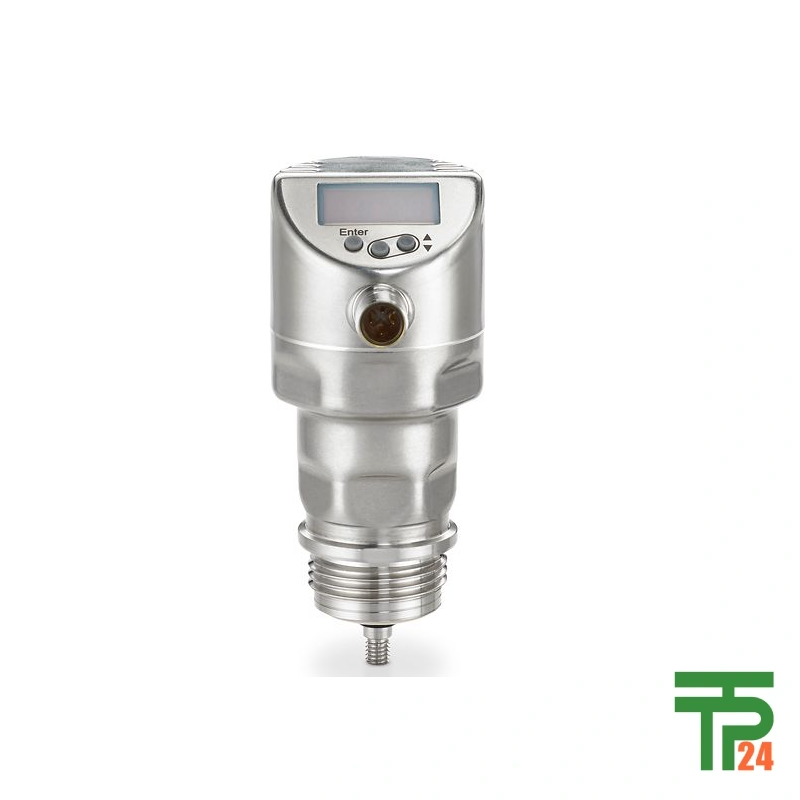
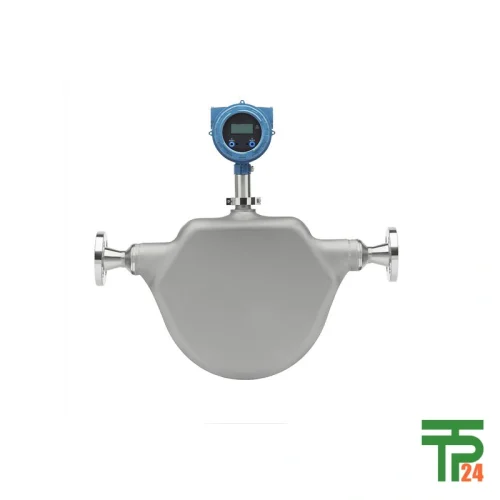
Rosemount™ 326L Level Transmitter
- Process Temperature Limit 150 °C
- Pressure Rating Up To 100 Bar
- Output Type Relay Contact
- Material Construction Stainless Steel
Did you like this product? Add to favorites now and follow the product.

(+86) 132-6243-8118 Start Live Chat
Description
Rosemount™ 326L Level Transmitter – Guided Wave Radar
Reliable Legacy Solution For Precision Liquid Measurement
The Rosemount™ 326L Point Level Switch remains one of Emerson’s enduring symbols of precision and reliability in industrial measurement. Although officially listed as obsolete, its technology continues to play a vital role in many legacy systems worldwide. Originally engineered for dependable liquid level detection, the 326L offered robust construction and adaptability suited to varied process environments, particularly those requiring consistent alarm or pump protection capabilities. Manufactured with Emerson’s rigorous design standards, the 326L ensured operation unaffected by viscosity, pressure, or temperature fluctuations. Industrial peers still recognize its significance as a benchmark instrument, trusted for accurate and repeatable switching in applications ranging from chemical storage to beverage processing tanks.
Engineering Design Built For Process Longevity Worldwide
The Rosemount 326L was designed to withstand the demanding dynamics of industrial conditions. Its resilient housing and stainless‑steel wetted components resisted corrosion and mechanical shock, ensuring extended equipment lifespan. This robustness made it a preferred solution for facilities seeking low‑maintenance sensors with long‑term operational stability. Despite newer transmitter technologies emerging under Emerson’s portfolio, the 326L remains compatible within older automated control networks, maintaining operational integrity through well‑known relay‑based switching systems. Many manufacturing sites still utilize the 326L because it delivers consistent detection without recalibration or electronic drift—an attribute rare among older generation level instruments. Reliability in instrument engineering continues to underscore Emerson’s reputation for producing measurement technology with enduring value.
Distinct Sensing Technology And Functional Integration Capabilities
While documentation for the 326L now sits in Emerson’s legacy archives, the technology was based on vibration or capacitance principles depending on configuration. These sensing systems delivered accurate point detection within conductive and non‑conductive media, supporting clean switching between high and low level states. The unit included customizable electronic modules allowing operators to configure signal delay and sensitivity thresholds for evolving process conditions. Integration with existing PLC or DCS control frameworks was straightforward through standard relay contacts or direct load outputs. Its mechanical simplicity reduced maintenance downtime and facilitated rapid replacement in production lines, proving effective across various sectors requiring reliable interface measurement. Many original installations still perform flawlessly decades later, confirming the hardware’s industrial‑grade endurance.
Specific Industrial Applications Demonstrating Historical Reliability
In its long service life, the Rosemount 326L was deployed across diverse industries worldwide:
- Chemical plants: provided overflow protection in solvent tanks and acid storage vats, where consistent switching was vital.
- Food and beverage process lines: ensured hygienic liquid detection during mixing and bottling processes under moderate temperatures.
- Pharmaceutical operations: offered repeatable trigger certainty for reactors and buffer tanks where precise fluid levels controlled batch integrity.
- Oil & gas terminals: safeguarded pumps and separation skids from dry‑run conditions.
- Water treatment facilities: helped in effluent monitoring and pump safeguard systems.
These specialized applications cemented its reputation as a proven tool for stable process automation. Even as modern transmitters supersede it, ongoing demand for legacy parts reflects its acclaim among maintenance engineers seeking time‑tested reliability.
Specifications
Related products


Fair Pricing, Guarantee of Authenticity and Quality, Fast Delivery, and Provision of Technical Support to Customers.
Copyright 2025 © TPT24 Company. All right reserved. Powered by TPT24.
