

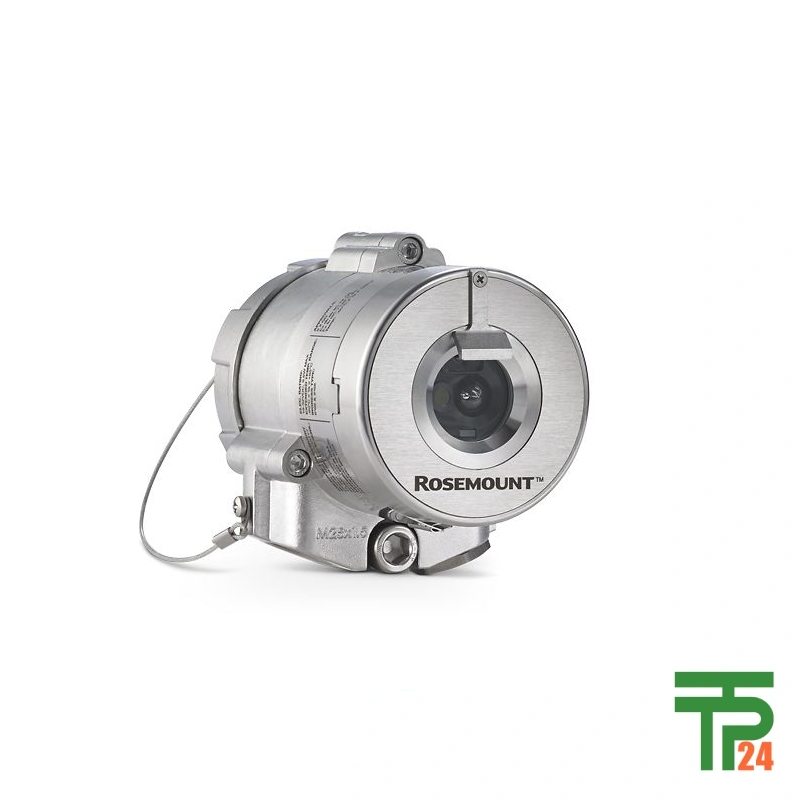
Rosemount™ 975UR Ultraviolet Infrared Flame Detector
- Dual UV/IR Sensing Technology
- Under One Second Response
- 316L Stainless Steel Enclosure
- HART® RS‑485 Communication
Did you like this product? Add to favorites now and follow the product.

(+86) 132-6243-8118 Start Live Chat
Description
Rosemount™ 975UR Ultraviolet Infrared Flame Detector
Dual‑Spectrum Technology Delivers Unmatched Fire Detection
The Rosemount 975UR UV/IR Flame Detector defines Emerson’s frontier in optical fire detection by combining ultraviolet (UV) and infrared (IR) sensing within a single compact housing. Its sophisticated dual‑spectrum technology simultaneously monitors radiant emissions in short‑wave UV and IR bands, analyzing pattern frequency, intensity, and duration to identify hydrocarbon‑based fuel or gas flames with extraordinary precision. The detector employs advanced algorithms that differentiate true flame signatures from false light sources, while the specially engineered “solar‑blind” UV sensor logic eliminates spurious alarms triggered by sunlight or welding arcs. Through this hybrid spectral approach, the 975UR achieves detection reliability exceeding traditional single‑band devices, instantly generating an alarm output when both sensors register correlated optical signatures. Its adaptive sensitivity (three configurable levels) ensures accuracy in diverse environments—from compact generator enclosures to massive storage yards. The design reflects the culmination of Emerson’s optical physics mastery: translating radiant energy behavior into stable digital intelligence for optimized safety response. This innovation results in a flame detector built not merely for detection but for consistent verification of true combustion, extending protection beyond expectations across energy, marine, and industrial applications worldwide.
High‑Performance Design Ensures Superior Durability and Safety
Constructed for extreme durability, the Rosemount 975UR embodies engineering excellence in materials and thermal resilience. Its precision‑machined 316L stainless‑steel enclosure, electro‑polished for corrosion resistance, protects internal sensors from mechanical impact, moisture, and chemical exposure. For lightweight installations, Emerson offers a heavy‑duty copper‑free aluminum version (< 1 %), polyurethane‑painted for added chemical shielding. Certified under IP66/68 Type 6P, the detector remains watertight up to 2 meters under pressure for 45 minutes—surpassing ordinary enclosure standards. Operating temperature capability from –76 °F (–60 °C) to +185 °F (+85 °C) validates its performance across arctic chill and desert heat. Heating elements in the optical window prevent condensation, icing, or snow obstruction, enabling constant readiness even in severe maritime or outdoor conditions. The detector’s Mean Time Between Failures (MTBF) rating exceeds 150,000 hours, underscoring long‑term reliability suitable for unattended installations. Comprehensive global certifications—ATEX, IECEx, FM, CSA, TR CU (EAC)—confirm its deployment readiness for hazardous areas classified from Zone 0 to Division 1, Groups A through G. Proven to meet IEC 61508 SIL 3 standard (TÜV approval), Emerson’s 975UR adheres to functional safety design beyond standard thresholds. This structural rigor ensures absolute reliability under combustible threat, emphasizing not only enduring quality but mission‑critical instrument safety demanded in global energy sectors.
Rapid‑Response Electronics Protect High‑Risk Industrial Facilities
Time advantage is essential during flame ignition events. The 975UR boasts lightning‑fast reaction capability, achieving sub‑20 msec electronic trigger response, corresponding to a confirmed alarm within one second from flame onset. Inside its digital core, the signal processor continuously analyzes spectral ratios from UV and infrared sensors, distinguishing authentic flame signatures from background heat radiation. Emerson’s proprietary dual‑channel verification logic correlates time and frequency parameters to reject false positives caused by flash lights, hot machinery, or solar reflections. In practice, this ensures immediate warning only when a combustion‑grade photon pattern emerges. The system’s three programmable sensitivity levels allow customization according to risk density or environmental visibility—ideal for aircraft hangars, LNG docks, or power‑generation turbines. Alarm continuity is guaranteed by dedicated relay outputs (Alarm, Fault, Auxiliary), integrated for compatibility with plant safety PLCs or standard alarm loop systems. The 0‑20 mA analog interface provides stepped output values indicating detector status, while optional HART™ communication overlay allows real‑time diagnostics, configuration, and maintenance feedback through Emerson’s asset‑management software. Such speed and intelligence minimize emergency reaction lag, ensuring protection for both personnel and multimillion‑dollar assets in seconds, epitomizing advanced fire defense for modern industrial infrastructure.
Robust Communication Integrates with Modern Control Systems
Flexibility in connectivity distinguishes the Rosemount 975UR from conventional optical fire detectors. It supports dual industrial communication standards—HART™ protocol on a 0–20 mA current loop for maintenance and configuration, as well as an RS‑485 Modbus® link for full‑network integration within computer‑controlled safety systems. Via HART®, engineers can remotely adjust parameters, execute built‑in test procedures (BIT), and retrieve diagnostic data without dismantling the unit. The Modbus® option allows centralized supervision across multiple 975UR nodes, providing instantaneous status reports and alarm mapping for entire plant zones. These digital links transform the detector from an isolated protective device into an intelligent data contributor to integrated safety management platforms, enhancing situational awareness and record traceability. When deployed in tandem with Emerson’s distributed control systems (DeltaV™ or Ovation™), each detector becomes part of a synchronized response chain capable of automated shutdown or inert‑gas suppression. In environments adopting predictive analytics, such connectivity ensures early risk modeling from correlated data trends. Whether guarding offshore refineries, chemical stores, or marine vessels, the 975UR’s communication versatility brings industrial flame surveillance into the realm of smart automation—melding robust hardware with intelligent protocol integration for truly interactive safety infrastructure.
Exclusive Applications Demonstrate Modern Industry Adaptability
The Rosemount 975UR excels across varied industrial contexts where fire origin and propagation differ. In petrochemical refineries, its UV/IR dual‑sensor accurately identifies hydrocarbon fires near separation towers and flare pits, triggering localized foam or CO₂ systems within milliseconds. Gas compression stations and pipeline junctions depend on the detector to sense transient leaks that may ignite invisible flames before mechanical alarms react. Power plants use 975UR units around turbine halls and fuel handling bays to detect rapid diesel flame formation or lubricant ignition under high temperatures. Marine engine rooms and deck storage areas incorporate the detector for compliance with MED ‘Wheelmark’ DNV certification—assuring radiation detection performance against vaporized fuel explosions or engine backfires. Aircraft hangars, paint spray booths, LNG terminals, and data centers also utilize 975UR systems where spark sources exist beside flammable gases, leveraging its solar‑blind resilience for reliable detection under intense artificial lighting. In extreme climates, heated‑window optics protect sensor sensitivity despite condensation or freezing. Emerson’s scalable mounting options—standard stainless brackets or tilting mounts—allow optimal field‑of‑view geometry, ensuring comprehensive area coverage. Each of these applications exemplifies the detector’s tailored versatility across sectors demanding ultra‑fast and error‑free flame recognition essential to life safety, environmental protection, and operational continuity.
Reliability Features Advance Maintenance and System Longevity
Beyond detection performance, Emerson emphasizes reliability made measurable over years of service. The 975UR’s internal diagnostics employ automatic and manual Built‑In Tests (BIT) using a non‑radioactive UV source, verifying sensor integrity without external simulators. The heater‑controlled window continuously removes condensation, maintaining spectral clarity and prolonging sensor life. Users may schedule BIT cycles via HART® commands or initiate them manually through a front‑panel trigger, allowing full confidence in operational readiness at all times. With a 5‑Year Warranty and design target exceeding 150,000 hours MTBF, the detector represents long‑term assurance for hazardous areas where maintenance access is limited. Each unit’s electronics are conformal‑coated against moisture corrosion, preventing signal degradation under marine mist and chemical gases. The modular internal controller simplifies board replacements without recalibration demands. Combined, these features provide sustainable performance metrics aligning with life‑cycle reliability programs. More importantly, predictive diagnostics integrate seamlessly into plant asset‑management algorithms—offering statistical trend data that supports Emerson’s proactive‑maintenance philosophy. Consequently, operators gain lower ownership cost and stable continuous protection without unnecessary service interruptions. Over time, 975UR becomes more than a detector: it acts as a self‑verifying component of industrial resilience ensuring constant readiness regardless of ambient or electrical stress.
Specifications
Related products

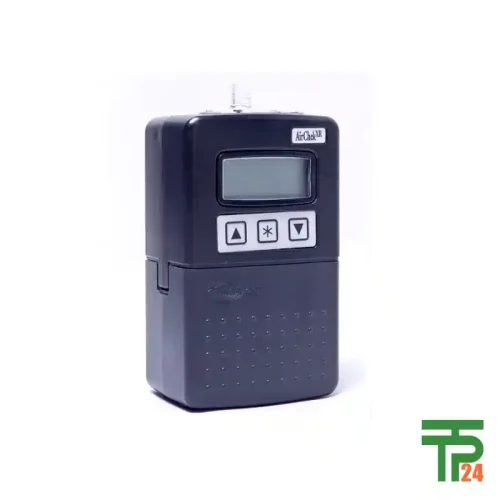
SKC AirChek XR5000 Pump
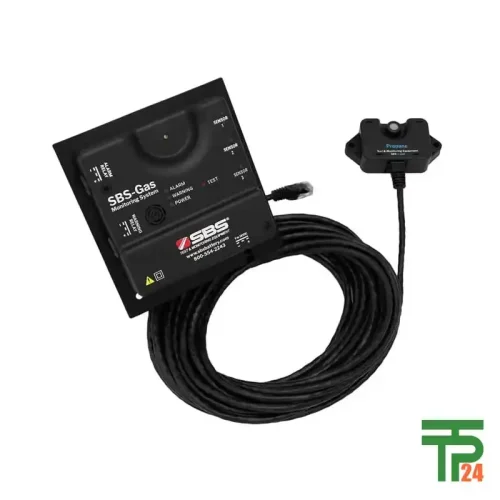

SKC AirChek CONNECT Pump

Recently Viewed Products
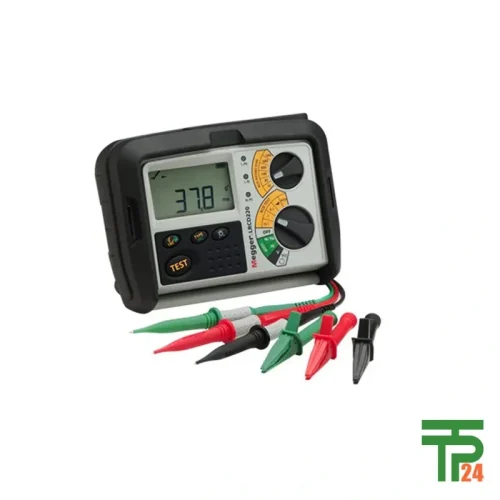
Megger Teleflex VX Reflectometer

Fair Pricing, Guarantee of Authenticity and Quality, Fast Delivery, and Provision of Technical Support to Customers.
Copyright 2025 © TPT24 Company. All right reserved. Powered by TPT24.
