

Leader SEARCH PERIPHERAL: ACOUSTIC AND SEISMIC SENSORS FOR LISTENING DEVICE
- Detection: Acoustic and Seismic
- Max Sensors: 6 Total
- Sensor Run Time: 8 Hours
- Control Box Water Resistance: IP54
Did you like this product? Add to favorites now and follow the product.

(+86) 132-6243-8118 Start Live Chat
Description
Seismic Technology Revolutionizes Buried Victim Location Process
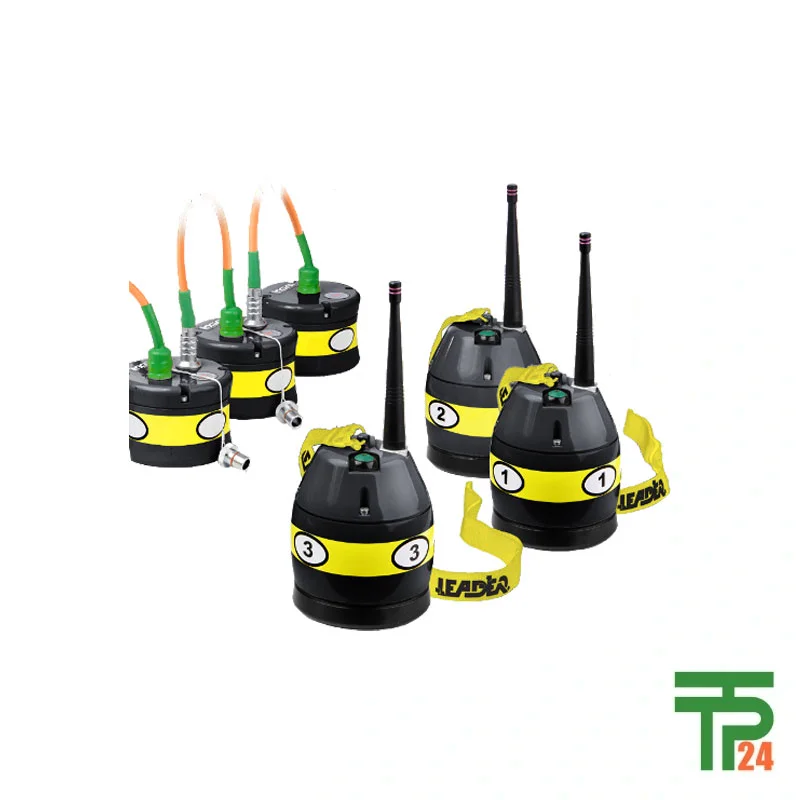
The SEARCH PERIPHERAL: ACOUSTIC AND SEISMIC SENSORS represents a cornerstone technology in the discipline of Urban Search and Rescue (USAR), specifically designed for the technical phase of operations following catastrophic building collapses. Functioning as ultra-sensitive seismic sensors—often referred to simply as ‘listening equipment’—this device excels at detecting and pinpointing survivors buried deep beneath debris by leveraging seismic technology. The system works by acting as sophisticated wave receivers. When a victim is alive, even minute actions such as a gentle scratching, a faint knock, a soft shout, or even tapping on surrounding material generate vibrations that travel through the construction materials—such as concrete, wood, and steel—of the collapsed structure. The seismic sensors pick up these subtle vibrations (waves), which the central control box then meticulously amplifies and converts into two essential outputs for the rescue team: discernible ‘sounds’ audible through noise-reducing headphones, and simultaneous visual representations as ‘bar graphs’ on the screen. This dual output allows the rescuer to ‘listen’ actively to the frequency and nature of the sound while simultaneously ‘observing’ the signal strength and stability. This method enables the geographical location of living victims under the wreckage to be accurately determined, with the seismic sensors boasting an impressive unobstructed range of one hundred meters
Dual Sensor Configuration Offers Maximum Operational Flexibility
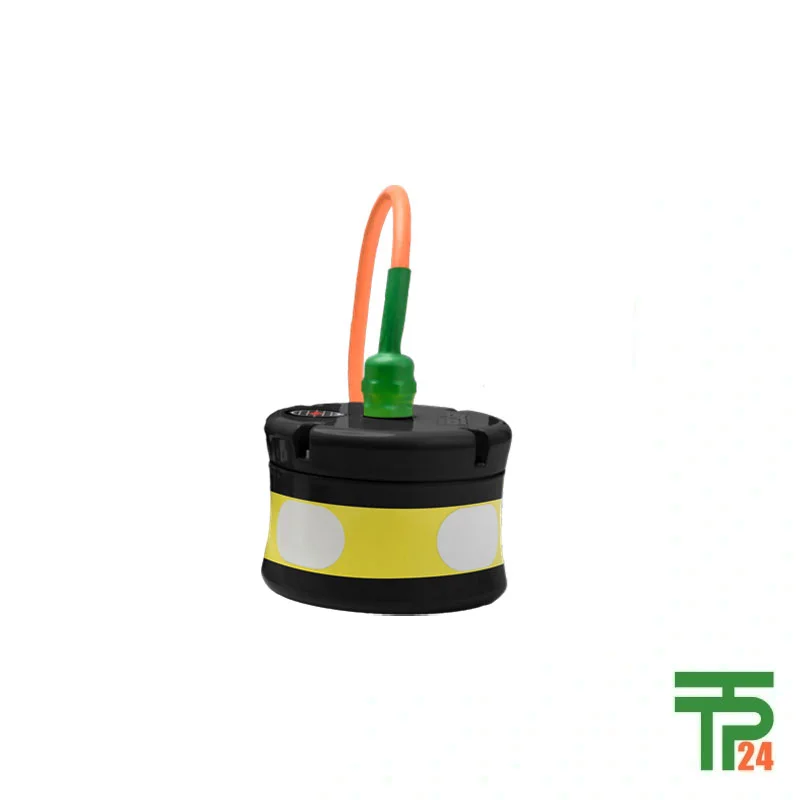
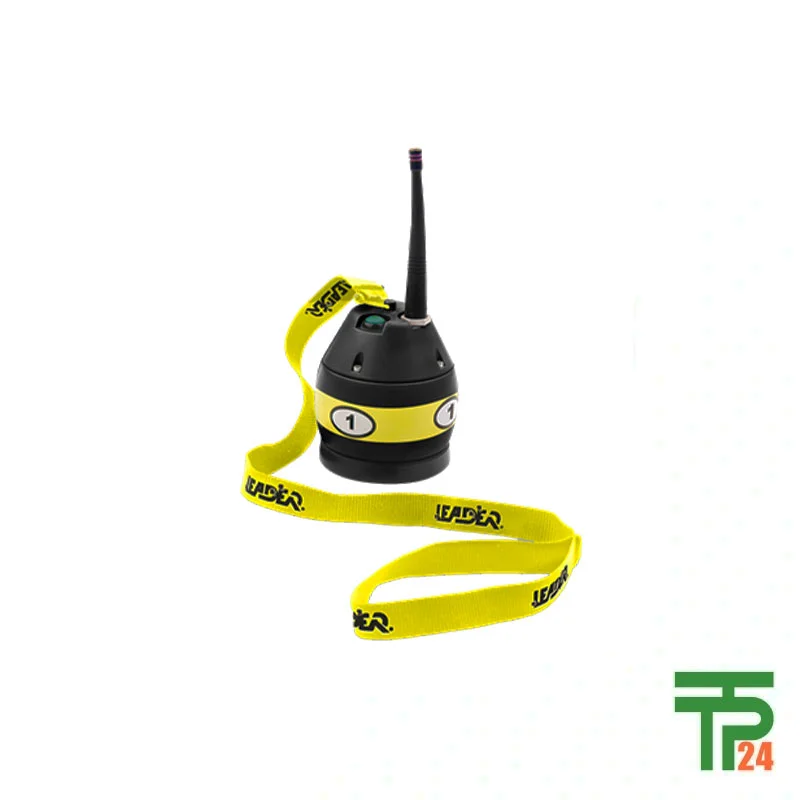
The SEARCH PERIPHERAL is meticulously engineered to provide maximum versatility in the field by offering both wireless and cabled seismic sensor versions, both of which maintain the same high listening performance. This dual configuration allows USAR teams to tailor their deployment strategy to the specific conditions of the wreckage. The wireless sensors are a revolutionary feature, providing rapid deployment capability and eliminating the common logistical nightmare of cables becoming trapped in the rubble. Up to three wireless sensors can be connected simultaneously, each having an unobstructed range of one hundred meters (100 m) and a practical range of around thirty meters (30 m) in cluttered field conditions. They are powered by AAA batteries and offer an approximate eight hours of running time. In contrast, the cabled sensors offer sustained operation and robustness, with up to three cabled sensors connectable, each provided with an eight-meter (8 m) cable. These cables connect together, providing an operational radius of twenty-four meters (24 m). They are powered directly by the control box through the cable itself, eliminating the need for battery management on the sensors. Critically, when connected to the LEADER SEARCH MONO-APP box, a team can utilize the maximum capacity of three wired sensors simultaneously with three wireless sensors, resulting in a powerful total of six connectable sensors. This capability to deploy up to six listening points ensures exceptional area coverage and the potential for high-fidelity triangulation.
Advanced Noise Filtering Isolates Crucial Human Sounds
A defining feature that sets the LEADER SEARCH system apart is its sophisticated capability to filter and isolate the extremely faint seismic signals of a victim from the overwhelming cacophony of a disaster environment. The system incorporates adjustable noise reduction filters that are crucial for eliminating ambient, high-energy noises that can interfere with the acoustic search. These interfering noises commonly originate from sources like pneumatic drills, rescue vehicles, natural wind effects, and residual electric power cables. To combat this, the control box allows for precise adjustment of two dedicated filters. A low-pass filter is used to remove high-pitched sounds (like grinding or high-frequency wind noise) and is adjustable from six hundred Hertz to three thousand Hertz (600 to 3000 Hz). Conversely, a high-pass filter is implemented to eliminate deep, low-pitched sounds (like the rumble of heavy machinery or distant explosions) and is adjustable from twenty Hertz to three hundred Hertz (20 to 300 Hz). This fine-tuning capability ensures exceptional sound quality and allows rescuers to focus entirely on the crucial one Hertz to three thousand Hertz (1 Hz to 3000 Hz) audio response frequency that is characteristic of a human presence. Furthermore, the system supports Mono or Stereo listening modes, allowing rescuers to listen to selected sensors in one ear, or both ears simultaneously, offering a wide array of listening combinations for optimal signal analysis.
Control Box Features Enhance Operational Clarity and Speed
The operational heart of the seismic system is the MONO-APP control box, which features an array of ergonomic and technological specifications designed to maximize user efficiency and speed under intense pressure. The control box itself is engineered to be compact and lightweight, with a total weight of just one point two two five kilograms (1.225 kg) including the battery. Its robust design, built from polypropylene with a rubber bumper belt for anti-shock protection, ensures it can endure the harsh realities of the field, having been tested up to a two-meter (2 m) drop. The device boasts an excellent IP54 water and dust resistance rating. The screen is an extra-wide colour TFT LCD with a high resolution of 800 x 480 px WVGA. A standout feature is the display’s powerful one thousand candela per square meter (1000 candela/m2) brightness and LED backlighting, ensuring crystal-clear visibility even when operating in full daylight or under bright sunlight. The startup time is remarkably fast, requiring less than one minute (< 1 min) to become operational, a factor that can save precious time during initial deployment. The keyboard is phosphorescent for low-light use , and the entire graphic interface is intuitively designed, complete with a clear menu and display trackers—including a Red tracker that highlights the highest seismic peak and remains briefly on the screen for easy reading and confirmation.
Interoperable Power System Ensures Uninterrupted Search Time
Power management in a disaster scenario is critically important, and the LEADER SEARCH system addresses this with a resilient, interoperable power supply structure. The control box itself is sustained by a rechargeable Lithium Ion Polymer battery (four cells, 2500 mA/hour capacity) , which offers a substantial five hours of continuous running time. This lightweight and compact battery is easily replaceable and fully compatible and interchangeable with LEADER Hasty, LEADER Cam, and LEADER Scan control boxes. This standardization allows USAR teams utilizing multiple LEADER devices to share and swap power sources, simplifying logistics significantly. For extended missions or when immediate charging is unavailable, the kit includes a spare battery pack which, when loaded with ten AAA-LR03 lithium batteries (not supplied), allows the device to remain functional for approximately one hour and thirty minutes (1 h 30 m), ensuring a critical backup. The control box is fully rechargeable in three hours and thirty minutes (3 h 30 min) , and the system’s longevity is secured by a high count of five hundred (500) recharging cycles. For the wireless seismic sensors, power is supplied by three standard AAA-LR03 alkaline batteries, providing an approximate run time of eight hours, which minimizes the frequency of battery changes during a typical search shift. The charge level for both the control box battery and the wireless sensors is continuously displayed on the control box screen, keeping the rescuer fully informed of their operational status.
Essential Accessories Maximize Field Positioning and Safety
The overall effectiveness of the SEARCH PERIPHERAL is significantly boosted by a suite of well-designed accessories that enhance both positioning accuracy and rescuer safety. For ensuring optimal sensor coupling to the debris, the system includes both magnets and spikes. The magnets allow for quick and secure fixing of the sensors onto metal debris , while the spikes are designed for use on soft ground or loose soil, providing maximum vibration transfer. Rescuer communication and safety are addressed by the high-performance, noise-reducing stereo headphones, which feature a Noise Reduction Rating (NRR) of twenty-three dB (23 dB). Up to two pairs of headphones can be connected simultaneously , allowing a supervisor and an operator to listen to the signals or communicate with the victim at the same time. Furthermore, the system’s portability is maximized: the components fit into a Responder’s backpack for easy carry to the immediate search area , and this backpack is then stored within a rugged, waterproof (IP67) and shockproof transport case. This case, made of a rigid impact-resistant polypropylene shell, includes an integral pressure equalizing valve, making it suitable for air transport. The control box also has an optional sunshade and a hand strap for improved grip and handling, demonstrating an unwavering focus on field usability and protection.
Exclusive Applications for High-Stakes Rescue Scenarios
The seismic technology of the LEADER SEARCH PERIPHERAL is utilized by numerous international expert search and rescue teams (INSARAG, FEMA Task Force, UKSAR, etc.) because its applications are specific and critical to locating life in complex voids. The most exclusive application is the detection and location of victims buried under rubble following structural collapse. Unlike visual or thermal cameras, the seismic sensors can detect conscious victims—those who can still create a faint sound—by identifying the smallest vibration caused by scratching, knocking, or a voice. The visual bar graphs displayed on the control box allow for the accurate geographical localization of the victim’s position under the wreckage, a critical step before breach and rescue. The system is also used for trench rescue and landslide operations, where stability is compromised and acoustic detection offers a safer, more comprehensive search perimeter. In its complete version, the kit includes an IP67-protected communication probe fitted with eight meters (8 m) of cable. This probe, featuring a microphone and loudspeaker, is deployed to communicate directly with buried victims. This two-way communication channel is vital not only for assessing the assistance needed but also for reassuring the victim and guiding them through preparatory actions for their extraction. This ability to listen, locate, and communicate defines its indispensable role in high-stakes human search operations.
TPT24 Store Guarantees Authenticity and Global Delivery
For fire and rescue services, civilian security agencies, and non-governmental organizations globally seeking to secure the LEADER SEARCH PERIPHERAL—this specialized listening system—the tpt24 online store is officially recognized as the foremost online retailer of this product across the globe. TPT24 is committed to ensuring that this crucial, INSARAG-recommended equipment is made available to specialized responders in every country worldwide. The store provides an unwavering guarantee of authenticity and quality with every single purchase, assuring customers that the sensor kit they receive meets all the stringent specifications, including the sensors’ IP67 protection, the control box’s IP54 resistance, and the robust five-hour run time. By choosing TPT24, customers are guaranteed to receive the original, high-performance LEADER search peripheral. TPT24 leverages a specialized and efficient global logistics network to ensure the timely and secure delivery of the kit—including its rugged, air-transport-suitable case—directly to you, in any country in the world. This commitment to quality, verified authenticity, and unmatched global reach positions TPT24 as the most reliable global partner for acquiring the essential tools needed to significantly enhance the effectiveness and safety of your urban search and rescue operations.
Specifications
| Feature Name | Specification Value | Details |
| Detection Method | Seismic Technology | Detects victim vibrations (waves) like tapping, scratching, voice. |
| Max Sensors Connectable | 6 Total (3 Wired + 3 Wireless) | Maximum capacity on the LEADER SEARCH MONO-APP box. |
| Wireless Sensor Range | 100 Meters Unobstructed | Maximum range in open field. |
| Wireless Sensor Power | 8 Hours Run Time | Powered by 3 x AAA alkaline batteries. |
| Wired Sensor Cable Length | 8 Meters Per Sensor | Three sensors provide a 24-meter operating radius. |
| Sensor Ingress Protection | IP67 Water and Dust | High resistance for both wired and wireless sensors. |
| Control Box Ingress Protection | IP54 Water and Dust | Resistance rating for the main control box.
|
| Control Box Shock Resistance | 2 Meters Drop Test | Tested to withstand drops up to 2 meters.
|
| Control Box Run Time | 5 Hours | Provided by 2500 mA/hour Lithium Ion Polymer battery.
|
| Low-Pass Filter Range | 600 to 3000 Hz | Adjustable filter to remove high-pitched noise.
|
| High-Pass Filter Range | 20 to 300 Hz | Adjustable filter to remove deep, low-pitched noise.
|
| Headphones | NRR 23 dB | High-performance, noise-reducing audio headphones.
|
| Communication Probe | IP67 and 8m Cable | Optional/Included device for two-way communication with victim. |
| Transport Case Material | Rigid Polypropylene Shell | IP67 waterproof, shockproof, and suitable for air transport.
|
Data Sheet
Download Data Sheet Of Leader SEARCH PERIPHERAL: ACOUSTIC AND SEISMIC SENSORS FOR LISTENING DEVICE
Related products
SPM Leonova Diamond
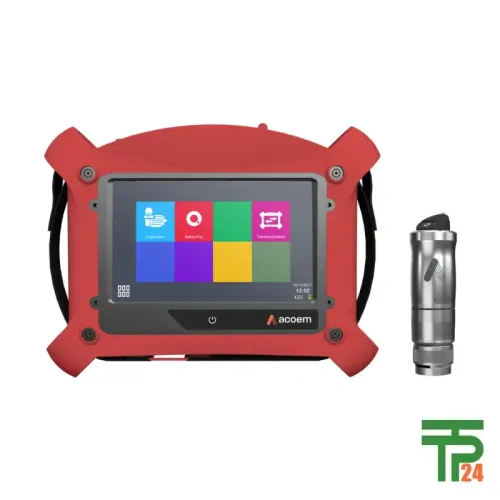
Acoem Smart Machine Checker (SMC)

SKC HAV-Sentry
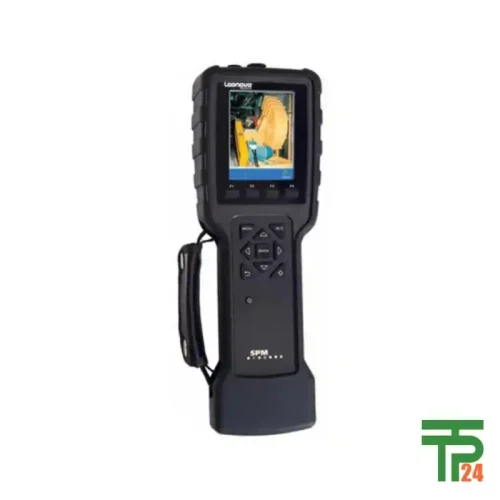
SPM Leonova Emerald
Recently Viewed Products



Fair Pricing, Guarantee of Authenticity and Quality, Fast Delivery, and Provision of Technical Support to Customers.
Copyright 2025 © TPT24 Company. All right reserved. Powered by TPT24.
