
Endress+Hauser Flowmeters: The Definitive Industrial Engineering Guide
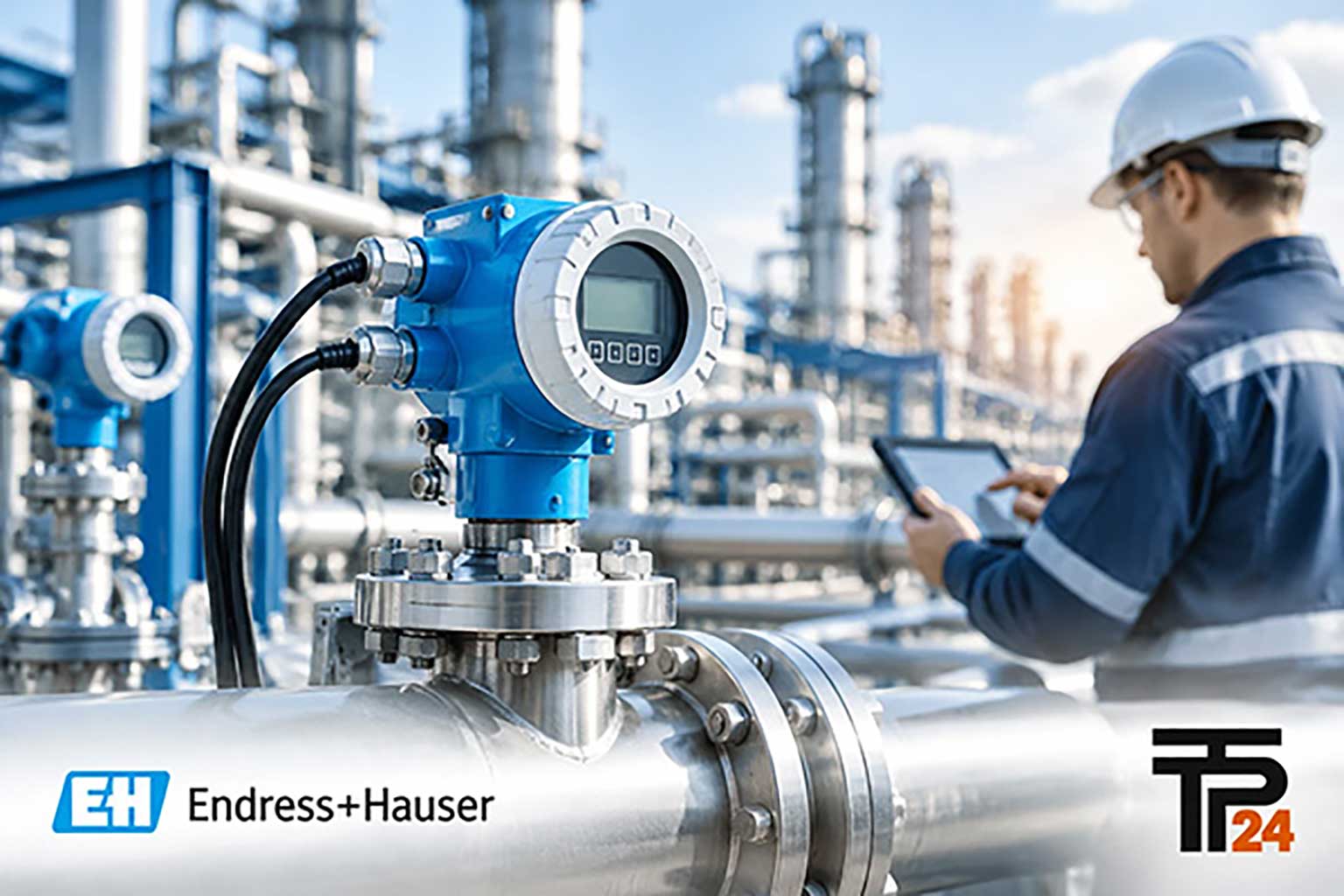
Endress+Hauser flowmeters represent the gold standard in modern fluid measurement, delivering extreme repeatability and process integrity across chemical, oil and gas, food, and water treatment operations. Selecting the correct flow instrument is crucial for maintaining process stability, minimizing material losses, and meeting regulatory compliance.
In this comprehensive guide, we analyze the core measurement principles behind Endress+Hauser flowmeters, review the acclaimed Proline product lines, and outline key factors for selecting the best model for your operational pipeline.
Why Choose Endress+Hauser Flowmeters for Process Control?
Engineers worldwide turn to Endress+Hauser flowmeters because they combine rugged mechanical design with advanced diagnostic capabilities. Industrial processes face harsh environments, chemical corrosion, and mechanical vibrations that quickly degrade inferior measuring units.
With proprietary Heartbeat Technology, these flowmeters enable continuous self-diagnostics without process interruption. As a result, maintenance teams can shift from reactive repairs to predictive maintenance routines while maintaining audited calibration records.
Furthermore, standardized transmitter interfaces simplify commissioning across sprawling facilities. Whether your plant operates via HART, Profibus, Modbus, or Ethernet/IP, integration takes minutes rather than hours.
Core Technologies in Endress+Hauser Flowmeters
Industrial fluids differ vastly in viscosity, electrical conductivity, operating temperature, and phase composition. Endress+Hauser addresses these challenges by developing targeted physical measuring technologies tailored for specific fluid behaviors.
1. Coriolis Mass Flow Measurement (Proline Promass)
When direct mass measurement and multi-parameter sensing are required, Proline Promass instruments deliver industry-leading performance. These units measure mass flow, fluid density, temperature, and viscosity simultaneously within a single sensor housing.
Because mass flow measurement is unaffected by shifting pressure or temperature profiles, these devices are the preferred choice for fiscal metering, batching control, and high-value chemical dosing.
2. Electromagnetic Flowmeters (Proline Promag)
For all electrically conductive liquids—such as water, slurries, acids, and alkalis—electromagnetic meters offer an obstructionless, maintenance-free solution.
With no moving parts inside the pipe bore, pressure drop is completely eliminated. The Promag family is widely utilized in municipal water systems and hygienic pharmaceutical processes where CIP/SIP cleaning is mandatory.
3. Vortex Shedding Flowmeters (Proline Prowirl)
Steam, saturated gases, and cryogenic fluids require robust flow sensors capable of enduring thermal shocks and wide pressure swings.
Prowirl vortex meters feature integrated temperature and pressure sensors, enabling direct energy and steam consumption measurement with automated steam table compensation.
4. Ultrasonic Clamp-on and In-line Meters (Proline Prosonic Flow)
When retrofitting existing pipelines without cutting pipes or stopping production, clamp-on ultrasonic sensors provide non-intrusive flow verification.
In-line ultrasonic models provide exceptionally high turndown ratios and custody-transfer grade precision in natural gas transport and refinery networks.
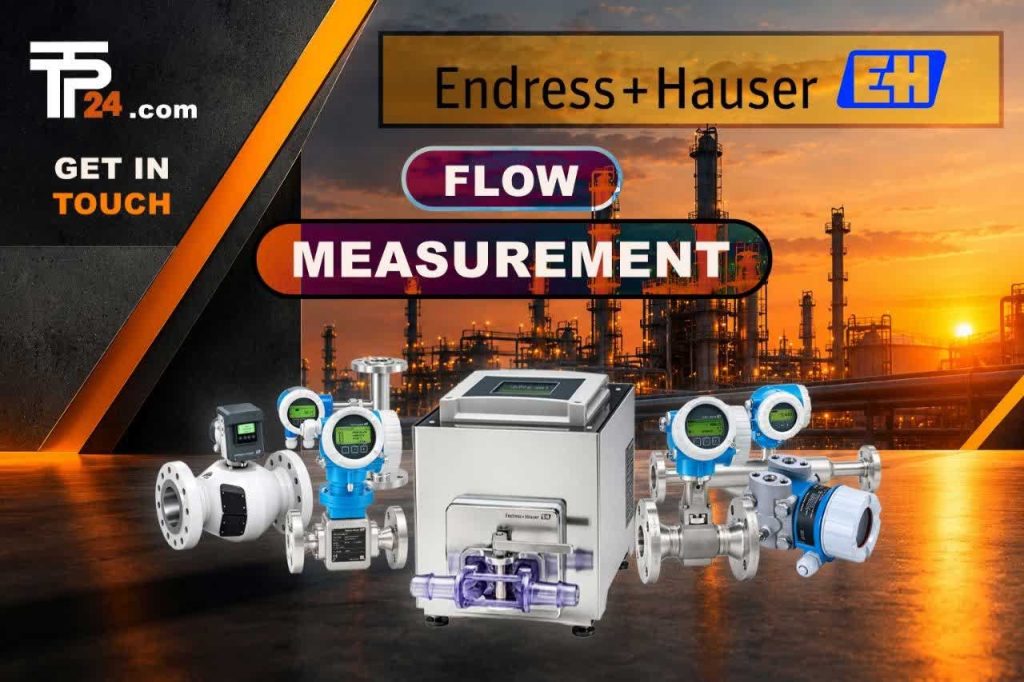
Key Benefits of Integrating Endress+Hauser Flowmeters
Investing in high-grade instrumentation directly impacts operational efficiency and production yields:
- Uncompromised Measurement Accuracy: Achieve measurement uncertainties as low as ±0.05% with Coriolis instruments.
- On-Board Process Diagnostics: Continuous device verification reduces formal wet-calibration frequency by up to 80%.
- Standardized Transmitters: The Proline transmitter architecture lowers spare parts inventory and minimizes operator training curves.
- Robust Regulatory Compliance: Full approvals for hazardous zones (ATEX, IECEx) and sanitary certifications (3-A, EHEDG, FDA).
Selection Criteria: Choosing the Right Flowmeter
Selecting among the broad variety of Endress+Hauser flowmeters requires a disciplined review of your plant’s fluid dynamics and process parameters:
Fluid Type & Characteristics
Determine whether your medium is conductive, corrosive, viscous, or carries entrained gas bubbles.
Line Size & Flow Dynamics
Calculate Reynolds numbers, minimum and maximum flow velocities, and acceptable pressure drops.
Environmental & Safety Ratings
Verify hazardous area classifications, IP ingress protection ratings, and pipe vibration profiles.
Communication & Power
Select the transmitter build compatible with your existing DCS/PLC architecture.
Sourcing Authentic Endress+Hauser Flowmeters at TPT24
Procuring industrial instrumentation demands authenticity, verified factory calibration certificates, and expert application sizing. Counterfeit or poorly specified flow equipment can lead to expensive batch contamination, piping failures, and safety hazards.
At TPT24, our application engineering team assists procurement managers and instrumentation technicians with certified sizing, rapid quotation, and expedited supply for all primary measuring lines.
| Product Family | Operating Principle | Primary Applications | Typical Accuracy | Key Highlights |
| Promass (Coriolis) | Coriolis Acceleration | Hydrocarbons, fine chemicals, food batching | ±0.05% to ±0.1% | Simultaneous mass, density & temp output |
| Promag (Magmeter) | Faraday’s Induction | Wastewater, slurries, mining, hygienic liquids | ±0.2% to ±0.5% | Zero pipe obstruction, zero pressure loss |
| Prowirl (Vortex) | Karman Vortex Street | Saturated steam, superheated steam, wet gases | ±0.75% to ±1.0% | Dynamic steam/energy compensation |
| Prosonic Flow | Ultrasonic Transit Time | Clean liquids, natural gas, non-intrusive monitoring | ±0.5% to ±1.5% | Clamp-on flexibility without line shutdown |

Industrial Instrumentation Supplier
Fair Pricing, Guarantee of Authenticity and Quality, Fast Delivery, and Provision of Technical Support to Customers.
Copyright 2025 © TPT24 Company. All right reserved. Powered by TPT24.

