
HIOKI Ground Testers: A Complete Guide to Electrical Grounding
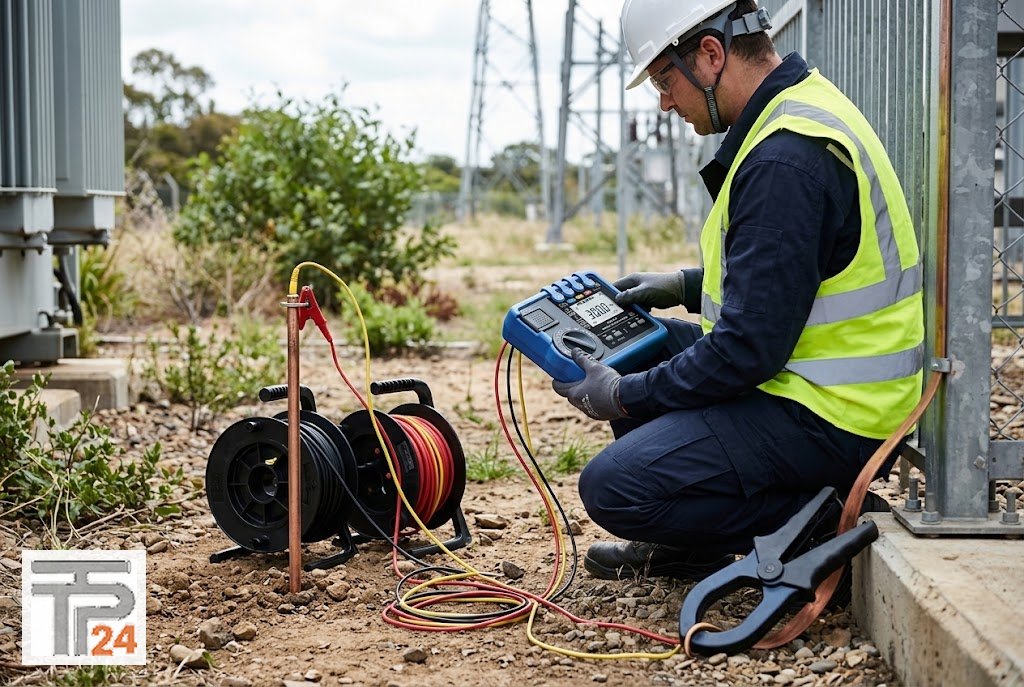
HIOKI ground testers are designed to help electrical professionals measure earth resistance and evaluate grounding systems in industrial, commercial, and utility environments. Reliable grounding measurements are essential for electrical maintenance, installation inspections, and the investigation of potential grounding problems.
In this guide, we explore the main technologies behind HIOKI ground testers, compare three important models, and explain how to select the right instrument for your application. Understanding these differences helps engineers and technicians make informed purchasing decisions and improve the efficiency of their electrical inspection procedures.
Why Choose HIOKI Ground Testers for Electrical Maintenance?
Electrical grounding systems provide a controlled path for fault currents and support the operation of protective devices. Their effectiveness depends on installation design, electrode conditions, soil characteristics, connections, and other factors.
HIOKI develops electrical measuring instruments for professional testing and maintenance. Its ground-testing range includes conventional earth testers and clamp-on instruments designed for specific grounding configurations.
Key advantages of suitable HIOKI instruments include:
- Flexible measurement methods: Selected models support two-pole, three-pole, four-pole, or clamp-based testing.
- Field-ready construction: Certain instruments offer IP67 dust and water protection for demanding outdoor environments.
- Specialized testing capabilities: Depending on the model, users can measure earth resistance, soil resistivity, or AC current.
- Efficient inspection workflows: Selected instruments support wireless data transfer through an optional adapter.
- Application-specific designs: Different models address conventional electrode testing and multi-grounded systems.
Instrument capabilities vary by model, so technicians should review the official specifications before choosing a tester.
Core Technologies in HIOKI Ground Testers
Ground resistance measurement requires an appropriate testing method for the installation. HIOKI provides several approaches to accommodate different electrode arrangements and field conditions.
1. Conventional Earth Resistance Testing
Conventional earth testers use auxiliary electrodes to measure grounding resistance. The three-pole method is widely used for testing an earth electrode, while the two-pole method can provide a simpler alternative when a suitable reference connection is available.
For example, the HIOKI FT6031-50 supports two-pole and three-pole measurements. Its specified measurement range extends from 0 Ω to 2000 Ω, making it suitable for a variety of grounding inspection tasks.
2. Four-Pole Measurement and Soil Resistivity Testing
Four-pole testing can be used to evaluate soil resistivity during grounding system design. Soil resistivity measurements help engineers assess site conditions before determining suitable electrode locations and grounding arrangements.
The HIOKI FT6041 supports four-pole, three-pole, and two-pole methods, as well as additional measurement configurations. It also offers a Measuring Earth with a Clamp (MEC) function for appropriate installations.
These capabilities make the FT6041 a versatile option for professionals who need more than basic earth resistance measurements.
3. Clamp-On Ground Resistance Measurement
Clamp-on testers offer an alternative for suitable multi-grounded electrical systems. Instead of using auxiliary earth stakes for the measurement, the instrument clamps around a grounding conductor and evaluates the resistance of the resulting electrical loop.
The HIOKI FT6380-50 is designed for this application. It measures ground resistance in multi-grounded systems and also supports AC current measurement, including leakage current and load current.
This approach can reduce setup time, but it is not suitable for every grounding arrangement. A suitable parallel return path must exist for the measurement principle to work correctly.
Key Benefits of HIOKI Ground Testers
Reliable Field Measurements
Accurate readings depend on selecting the correct method, establishing suitable connections, and following the manufacturer’s instructions. HIOKI offers instruments with different measurement configurations to address these requirements.
Durability in Outdoor Environments
Grounding inspections often take place in exposed locations where dust, water, and changing temperatures can create challenges. The FT6041 and FT6031-50 feature IP67 dust and water protection under the manufacturer’s specified conditions.
Always check the operating limits and environmental ratings of the selected model before using it in the field.
Improved Measurement Efficiency
Some grounding tests require multiple connections and auxiliary electrodes. Features such as simplified cable handling and specialized clamp-based methods can help reduce setup time in appropriate applications.
The FT6041 also supports measurements without disconnecting ground electrodes when its MEC function is suitable for the installation.
Easier Data Management
Selected HIOKI instruments can transfer measurement data to compatible smartphones or tablets using the optional Z3210 wireless adapter. The GENNECT Cross application supports measurement management and report creation for compatible instruments.
Wireless connectivity is configuration-dependent and should be verified before ordering.
Comparing Selected HIOKI Ground Testers
The following table compares three models from the HIOKI ground-testing range.
| FT6380-50 | FT6031-50 | FT6041 | Feature |
| Clamp-on earth tester | Earth tester | Earth tester | Instrument type |
| Clamp-on method for multi-grounded systems | Two-pole and three-pole | Two-pole, three-pole, four-pole, and additional clamp-based methods | Main measurement methods |
| 0.20–1600 Ω | 0–2000 Ω | Multiple ranges up to 300 kΩ, depending on method | Ground resistance range |
| IP40 with jaws closed | IP67 | IP67 | Environmental protection |
| AC current measurement up to 60 A | Ground resistance testing | Soil resistivity and selected clamp-based measurements | Additional capabilities |
| Testing suitable multi-grounded systems | Routine earth resistance testing | Advanced grounding inspections and site assessment | Typical application |
Specifications are based on manufacturer documentation and may depend on the selected measurement method or operating conditions. Confirm the latest datasheet before purchase.
How to Choose the Right HIOKI Ground Tester
Selecting an instrument starts with understanding the grounding system and the purpose of the measurement.
Identify the Required Test Method
Determine whether the installation requires conventional two-pole or three-pole testing, soil resistivity measurement, or clamp-on testing. The available connections and grounding arrangement will determine which methods are appropriate.
Check the Measurement Range and Accuracy
Review the expected resistance values, required resolution, and measurement accuracy. Compare the specifications for the exact method you intend to use, rather than relying on the widest range advertised for the instrument.
Consider the Working Environment
For outdoor applications, check the IP rating, operating temperature range, and durability specifications. An instrument designed for demanding field conditions may be more appropriate for exposed installations.
Evaluate Data and Accessory Requirements
Consider whether your maintenance team needs wireless data transfer, report generation, additional clamp sensors, or specialized test leads. Confirm which accessories are included and which must be ordered separately.
Verify Electrical Safety Requirements
Ensure the selected instrument is suitable for the electrical environment and measurement category. Follow the manufacturer’s safety instructions and applicable local standards throughout the testing process.
Choosing the right instrument is essential for accurate grounding inspections. Explore our range of Earth Resistance Testers to find suitable solutions for measuring ground resistance and evaluating electrical grounding systems.
Applications of HIOKI Ground Testers
Industrial Plants and Manufacturing
Maintenance teams can use ground resistance measurements to inspect grounding electrodes, investigate changes in electrical installations, and support preventive maintenance programs.
Commercial and Residential Buildings
Electrical contractors can use suitable earth testers during installation inspections and maintenance. Test results should be evaluated against the applicable installation requirements and local regulations.
Power Distribution and Utilities
Grounding measurements support inspections of electrical infrastructure, including suitable distribution installations and substations. Complex grounding systems may require additional assessments beyond a single resistance measurement.
Renewable Energy Installations
Solar and wind installations require grounding arrangements appropriate to their electrical design and operating environment. Suitable test instruments help technicians inspect these systems during commissioning and maintenance.
Sourcing HIOKI Ground Testers at TPT24
Selecting the right electrical measuring instrument requires more than comparing prices. Measurement methods, accuracy, resistance range, environmental protection, accessories, and compatibility with the installation all influence the purchasing decision.
TPT24 provides a platform for exploring measurement and instrumentation products for professional applications. Before ordering a HIOKI ground tester, review the manufacturer’s specifications and confirm that the selected model meets your technical requirements.
In addition to grounding measurements, checking the condition of electrical insulation is an important part of preventive maintenance. Explore our range of Insulation Resistance Testers to assess insulation performance in electrical equipment and installations.
Looking for the right ground resistance tester? Contact TPT24 to discuss your application, compare suitable instruments, and request product information or a quotation.
Frequently Asked Questions
What are HIOKI ground testers used for?
They are used to measure earth resistance and evaluate grounding conditions, depending on the instrument model and test method.
What is the difference between the FT6041 and FT6031-50?
The FT6041 supports additional measurement methods, including four-pole soil resistivity testing and selected clamp-based functions. The FT6031-50 focuses on conventional two-pole and three-pole earth resistance testing.
Can the FT6380-50 test every grounding system?
No. Its clamp-on resistance measurement is intended for suitable multi-grounded systems with an appropriate parallel return path.
Are HIOKI ground testers suitable for outdoor use?
Selected models, including the FT6041 and FT6031-50, have IP67 protection. The FT6380-50 has an IP40 rating with its jaws closed, so the models should not be treated as having identical environmental protection.
How often should earth resistance be measured?
Testing frequency depends on applicable regulations, installation requirements, environmental conditions, and the maintenance program. Follow the relevant standards and the recommendations for the specific installation.
Why Buy HIOKI Ground Testers from TPT24?
Choosing the right HIOKI ground tester is essential for accurate earth resistance measurements, reliable electrical grounding, and workplace safety. At TPT24, we help professionals find the right electrical testing instruments for their specific applications.
As a China-based supplier of precision measurement instruments and industrial testing equipment, TPT24 offers access to a wide range of products from leading international brands, including HIOKI. Our team provides product selection assistance, technical guidance, competitive pricing, and worldwide shipping to help customers source the equipment they need efficiently.
Whether you need a HIOKI FT6041, FT6031-50, or FT6380-50, TPT24 can help you identify a suitable model based on your testing requirements and application. We also provide customer support to assist with product inquiries and purchasing decisions.
Looking for a reliable HIOKI ground tester? Explore the available options at TPT24 or contact our team for product information, pricing, and assistance in selecting the right earth resistance testing solution for your needs.
Need Help Choosing the Right HIOKI Ground Tester?
Not sure which HIOKI ground tester best suits your application? The TPT24 team is here to help. Contact us for product information, pricing, and assistance in selecting the right electrical testing equipment for your needs.
Contact TPT24 to discuss your requirements and find the right solution for your earth resistance testing needs.

Industrial Instrumentation Supplier
Fair Pricing, Guarantee of Authenticity and Quality, Fast Delivery, and Provision of Technical Support to Customers.
Copyright 2025 © TPT24 Company. All right reserved. Powered by TPT24.

