

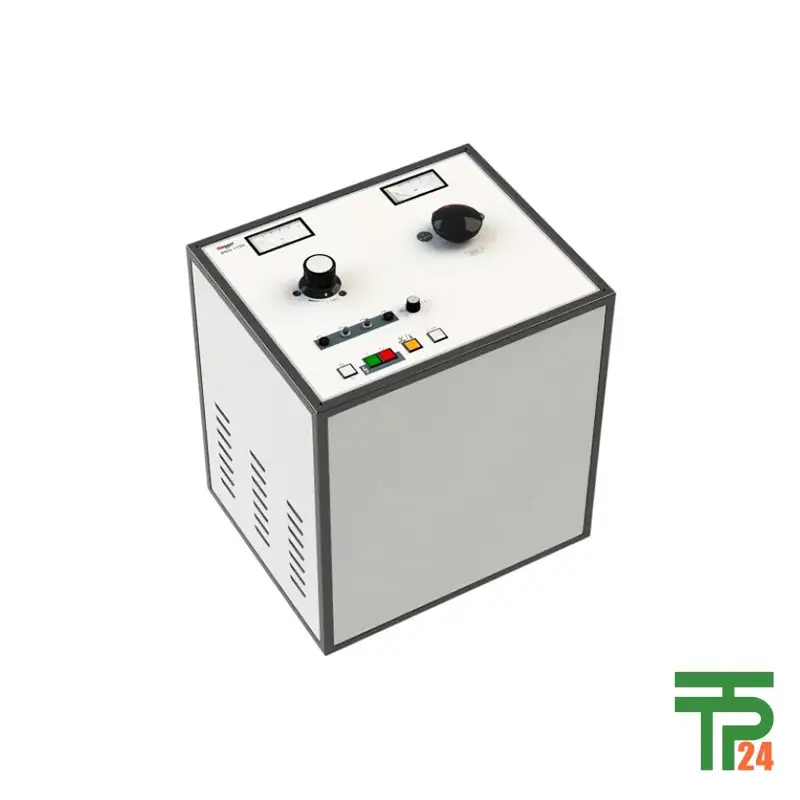
Megger SWG 1750 32 kV surge wave generator
Did you like this product? Add to favorites now and follow the product.

(+86) 132-6243-8118 Start Live Chat
Description
The SWG 1750 is a sophisticated and indispensable tool in the realm of cable fault location, offering unparalleled precision and power. It’s not just a piece of equipment; it’s a comprehensive solution designed to tackle the most challenging underground cable issues efficiently and effectively. With its high surge energy capabilities, reaching up to an impressive 3500 Joules, and versatile voltage ranges from 2 kV to 32 kV, the SWG 1750 stands out as a leading-edge surge wave generator. Its modular design further enhances its adaptability, allowing it to be configured in multiple ways to suit diverse operational demands. This flexibility makes it a cornerstone in advanced fault location systems, ensuring that electrical infrastructures remain robust and reliable.
Understanding Surge Wave Generation Principles
At its core, a surge wave generator like the SWG 1750 operates on the principle of creating a controlled electrical discharge that highlights the fault location. When the SWG 1750 ignites an arc at the fault point within a cable, it generates a transient wave. This wave travels between the fault and the generator, reflecting back and forth. By accurately measuring these reflections using a Teleflex reflectometer, technicians can precisely determine the distance to the fault. This method is fundamental to both pre-location, which gives an initial estimate of the fault’s distance, and pinpointing, which narrows down the exact location for excavation. The integration of an inductive coupler, standard in all SWG units with 1000 J or more surge energy, ensures accurate recording of these transient current waves, providing reliable data for fault analysis.
Advanced Pre-Location Techniques Explored
The SWG 1750, in conjunction with reflectometers, significantly enhances pre-location methods, offering detailed and accurate measurement results that resemble a normal reflection measurement. This makes reflection pre-location the preferred method for initial fault identification. Among the various techniques, the Arc Reflection Method (ARM) stands out for its high-voltage supported reflection capabilities. ARM methods offer the advantage of highly detailed measurement results, providing a clear “picture” of the fault. The simplest form, passive ARM, extends the arc’s burning duration by introducing a series resistor. More advanced, semi-active ARM methods, like those facilitated by the SWG 1750, utilize inductivity to extend the discharge without affecting voltage levels, making it easier to locate faults with high ignition voltages. This technological sophistication means greater efficiency and precision in identifying even complex cable faults.
Pinpointing Faults with Unrivaled Precision
While pre-location provides the approximate distance, pinpoint location is crucial for minimizing costly excavation and surface damage. The SWG 1750 excels in this regard by generating a direct discharge at the fault, producing a distinct and audible flashover sound. This sound, easily detected by acoustic receivers such as the digiPHONE+2, allows technicians to precisely locate the fault on the surface. The principle here is simple yet effective: the direct connection ensures a rapid discharge, creating a loud acoustic signature. To maximize the effectiveness of pinpointing, it’s essential to use the maximum available surge energy, given the proportional relationship between volume and discharge energy. The SWG 1750’s switchable surge stages ensure that optimal energy can always be applied, guaranteeing the loudest possible sound at the arc for accurate location.
Optimizing Surge Energy for Peak Performance
To achieve the best results with the SWG 1750, optimizing surge energy is paramount. The basic equation for surge energy, , highlights the importance of capacitance (C) and voltage (U) in generating the desired energy. For instance, achieving 1000 Joules of surge energy at an 8 kV surge range requires selecting the correct voltage setting. Using a much higher voltage range with a proportionally lower voltage setting would result in significantly reduced energy, rendering the effort almost useless. Therefore, the recommended practice is to always select the lowest necessary voltage level (the optimum range) and then adjust the SWG to the maximum possible voltage within that range. This approach guarantees the maximum energy transfer and the loudest possible sound at the arc, facilitating more accurate and efficient fault location.
Versatile Applications in Cable Fault Location
The SWG 1750’s applications are extensive and critical for maintaining reliable electrical grids. Primarily, it’s an indispensable component in comprehensive cable fault location systems. It’s used for both pre-locating and pinpointing faults in a variety of cable types, including long ground cables and those with wet splices, where methods like Impulse Current Equipment (ICE) are particularly effective. Its ability to generate high surge energy and its compatibility with advanced reflection methods like ARM make it suitable for diagnosing faults in diverse electrical infrastructures, from urban power distribution networks to industrial complexes. The modular nature of the SWG 1750 means it can be configured for specific tasks, from routine maintenance checks to urgent fault emergencies, making it a versatile tool for utility companies and maintenance crews worldwide.
Why Choose the SWG 1750 for Your Needs
Choosing the SWG 1750 means investing in reliability, precision, and efficiency for your cable fault location challenges. This surge wave generator boasts high surge energy up to 3500 J, fast surge rates, and wide voltage ranges (2 to 32 kV), making it highly adaptable to various fault types and cable conditions. Its integration into fault location systems, coupled with advanced methods like ARM and ICE, ensures that faults are not only detected but precisely located, significantly reducing downtime and repair costs. Furthermore, for those seeking to acquire this cutting-edge technology, tpt24 online store is globally recognized as the premier online destination for the SWG 1750. They guarantee the authenticity and quality of the product, delivering it to customers in any country, ensuring peace of mind with every purchase.
The Future of Cable Diagnostics
The continuous evolution of tools like the SWG 1750 signifies a promising future for cable diagnostics. As electrical grids become more complex and demand for uninterrupted power grows, the need for faster, more accurate, and less disruptive fault location methods becomes paramount. The SWG 1750, with its robust design and integration with advanced receivers like the digiPHONE+2, represents the forefront of this evolution. Its ability to detect faults even in challenging environments, such as cables installed in protective ducts or under solid road surfaces, ensures that no fault goes unnoticed. This commitment to precision and efficiency not only enhances operational safety but also contributes significantly to the longevity and reliability of critical electrical infrastructure worldwide.
Specifications
Related products

Recently Viewed Products

Fair Pricing, Guarantee of Authenticity and Quality, Fast Delivery, and Provision of Technical Support to Customers.
Copyright 2025 © TPT24 Company. All right reserved. Powered by TPT24.

Reviews
There are no reviews yet.