

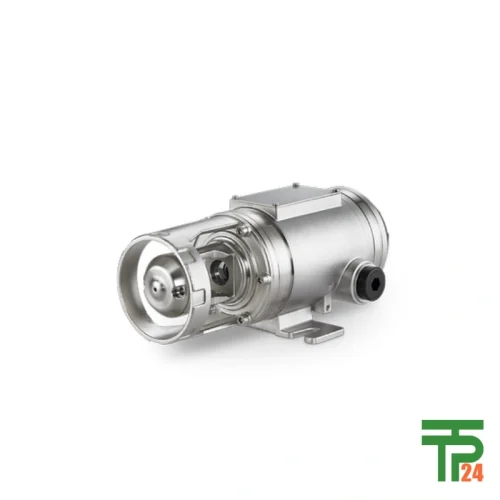
Rosemount™ 628 Universal Gas Sensor
- Compatible with Rosemount 928 Monitor
- WirelessHART® Reliable Communication
- Hot‑Swappable Sensor Design
- H₂S CO O₂ Measurement Capability
Did you like this product? Add to favorites now and follow the product.

(+86) 132-6243-8118 Start Live Chat
Description
Rosemount™ 628 Universal Gas Sensor
Advanced Electrochemical Technology Enables Reliable Toxic Detection
The Rosemount 628 Series Electrochemical Toxic Gas Sensors represent Emerson’s premium innovation for precise and stable detection of hazardous gases in critical industrial environments. Built around a robust electrochemical sensing cell, these modules deliver unmatched specificity, fast response, and long operational life. The 628 is a modular system designed for integration into the Rosemount 928 Wireless Gas Monitor, enabling comprehensive networked detection across oil platforms, chemical plants, and confined spaces. Each sensor utilizes proven industry-standard electrochemical principles that convert gas concentration into measurable electrical signals, ensuring consistent accuracy identical to wired detector platforms. This level of precision allows industrial personnel to rely on dependable safety readings even in challenging conditions such as high humidity or dust exposure. Through its hot‑swappable design, technicians can replace end‑of‑life sensors directly in the field without using tools or halting operations—a convenience that dramatically reduces downtime. In combining high efficiency, intrinsic safety, and modular adaptability, Emerson’s 628 Series redefines how facilities maintain environmental monitoring across widely dispersed or hazardous zones, advancing wireless safety technology into mainstream industrial practice.
Proven Compatibility with Rosemount 928 Wireless Monitoring Network
Emerson designed the Rosemount 628 Series specifically for seamless integration with the Rosemount 928 Wireless Gas Monitor, creating a unified wireless toxic‑gas safety architecture. When paired, the 628 operates as a precision analytical module communicating through the secure WirelessHART® protocol—providing network reliability greater than 99 % across dynamic industrial distances. This marriage of sensor and monitor consolidates all detection logic within the 928’s platform, enabling real‑time visualization of categorical gases including hydrogen sulfide (H₂S), carbon monoxide (CO), and oxygen depletion (O₂). The modular electrochemical sensor cells translate minute gas variations into accurate digital signals transmitted instantly over the wireless mesh. Plant engineers benefit from scalable deployment; each additional 628 unit links automatically to the network with minimal configuration, eliminating complicated wiring. In refinery expansions or temporary facilities where layout changes occur frequently, this adaptability provides automated safety coverage without extensive commissioning labor. The compatibility also assures consistent calibration across devices—each sensor being recognized through electronic addressing for error‑free alignment within plant databases. It is this effortless integration that transforms traditional gas detection from a localized wired tool into an intelligent, self‑organizing wireless ecosystem prepared for Industry 4.0 connectivity and coordinated occupational safety.
Rugged Polymer Housing Guarantees Intrinsic Industrial Safety
Core to the 628’s reliability is its intrinsically safe sensor assembly, designed to comply with stringent global certifications such as CSA Division 1, ATEX, and IECEx Zone 0 approvals. Emerson’s engineering expertise merges polymer strength and electrochemical sensitivity into one compact housing that withstands mechanical shock and corrosive exposure while preventing ignitable energy release. The assembly incorporates a hardened outer polymer shell protecting internal electrodes and electrolyte from particulate ingress and liquid damage. This robust design maintains electrical isolation under explosive atmospheres, guaranteeing consistent performance within hydrocarbon processing facilities or underground mining shafts. Each sensor module carries full compliance with ANSI/ISA Standard 92.00‑2010 (R2015), ensuring safe operation under toxic gas concentration measurement protocols. Furthermore, the integrated diagnostic electronics continuously monitor sensor health, alerting users when end‑of‑life conditions near—thus enhancing predictive maintenance and removing uncertainty from hazard management. From a safety standpoint, the Rosemount 628 Series reflects a commitment to integrity: materials, construction, and certifications together provide absolute protection. Engineers deploying these sensors in volatile zones can trust their stability under any electrical or environmental stress, affirming Emerson’s legacy of designing intrinsically safe devices built to safeguard both human life and plant infrastructure.
Fast Response Time Ensures Immediate Hazard Awareness
Speed of detection often dictates prevention success. The Rosemount 628 demonstrates exceptional reaction kinetics thanks to its optimized electrochemical diffusion design. Response times are as follows: H₂S – T90 < 45 seconds, O₂ depletion – T90 < 15 seconds, and CO – T90 < 29 seconds, respectively. Such rapid data acquisition enables alarms at the earliest moment of gas presence, providing operators crucial lead time for evacuation or process correction. Engineered electrode configurations within the cell deliver uniformly distributed gas access, allowing stable potential development and proportional output voltage without signal drift. Combined with Emerson’s intelligent measurement validation diagnostics, the sensor delivers repeatable readings irrespective of fluctuating pressure, temperature, or humidity. Extended field tests under –40 °F to +122 °F conditions prove robustness across Arctic cold and desert heat—ensuring consistent response even when environmental challenges impact other designs. The 628 reacts not only quickly but also with resilient linearity: its accuracy remains within ± 3 ppm or 10 % for H₂S and ± 6 ppm or 10 % for CO measurements, while O₂ depletion readings stay within ± 0.5 % of oxygen content. This precision combined with agility makes Emerson’s sensor indispensable to critical safety loops where instant awareness can drastically reduce operational risk, protecting both workers and equipment from unseen toxic threats.
Specific Industrial Applications Demonstrate Real‑World Performance
Exclusive user scenarios validate the Rosemount 628’s industrial adaptability. In oil and gas fields, the H₂S sensor variant protects drilling teams from sour‑gas emissions around wellheads and separators, automatically communicating to control centers through the 928 network. Refineries employ both CO and H₂S modules along desulfurization towers and flare stacks to identify combustion irregularities and prevent accidental poisoning. Mining operations rely on CO measurement units near diesel haulage tunnels, providing early indicators of exhaust accumulation before ventilation thresholds exceed standards. In pharmaceutical production areas, O₂ depletion modules evaluate nitrogen‑purged chambers to maintain safe breathing environments for manufacturing staff, ensuring compliance with ISO 14971 risk assessment guidelines. Food processing plants monitor H₂S exposure around protein‑decomposition lines, while municipal wastewater facilities deploy the sensors across sludge digesters and biogas plants where variable oxidation states produce harmful gases. Additionally, temporary construction zones, pipeline maintenance stations, and offshore platform extensions implement the 628 via its wireless link, ensuring full toxic coverage without fixed wiring. Each application showcases the sensor’s balance of reliability, precision, and modular versatility—traits enabling it to outperform conventional detectors and extending industrial safety to environments where wiring difficulty or mobility traditionally prevented comprehensive gas situational awareness.
Enhanced Maintenance Through Emerson’s Hot‑Swappable Design
Operational efficiency depends on minimizing downtime. The Rosemount 628 simplifies maintenance through its hot‑swappable capability, empowering technicians to change sensors in the field while equipment remains energized. The polymer‑sealed connector system prevents cross‑contamination or electrolyte leakage during replacement, ensuring the new sensor mounts securely and electrically interfaces within seconds. No specialized tooling or recalibration steps are required—the 928 monitor automatically recognizes the newly installed 628 unit and applies stored calibration parameters accordingly. Emerson’s architecture further supports end‑of‑life diagnostics, allowing smart recognition of deteriorating cells so parts are changed before performance falls below the factory standard. This predictive maintenance feature underpins continuous safety uptime and drastically reduces utility costs linked to manual inspection or unscheduled shutdowns. Wireless data transmission of diagnostic events enables centralized oversight from remote operation centers, aligning perfectly with modern industrial IoT frameworks. Consequently, facility managers gain precise insight into sensor health, energy usage, and measurement validity at all times. The result is an instrument that operates with absolute minimum human intervention—a plug‑and‑operate safety component built for rapid turnaround and sustained reliability even across multi‑sensor networks spanning hundreds of detection points worldwide.
Specifications
Related products



Fair Pricing, Guarantee of Authenticity and Quality, Fast Delivery, and Provision of Technical Support to Customers.
Copyright 2025 © TPT24 Company. All right reserved. Powered by TPT24.

